
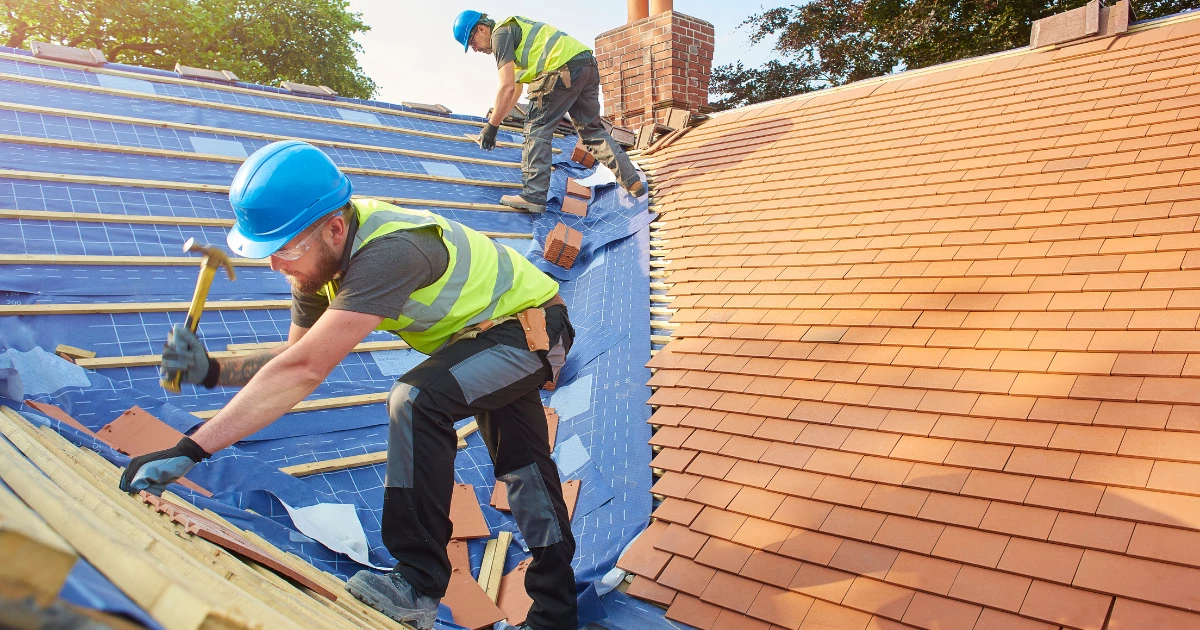
Your roof isn’t just a hat for your house; it’s your primary defense against the notoriously diverse and often extreme Canadian weather. From the biting cold and heavy snows of winter to scorching summer sun and torrential downpours, your roof takes a beating. Choosing the right roofing material isn’t just about curb appeal; it’s a critical decision impacting your home’s longevity, energy efficiency, and your wallet.
This comprehensive guide will walk you through the essential factors to consider when selecting residential roofing in Canada, exploring various roof types and helping you make an informed decision for a durable roofing solution that stands the test of time.
Understanding the Canadian Climate: Your Roof’s Toughest Adversary
Before diving into materials, it’s crucial to understand what your roof will face. Canada roofing demands materials that can withstand:
- Extreme Temperature Fluctuations: From -40°C to +40°C, materials must expand and contract without cracking or warping.
- Heavy Snowfall and Ice Dams: The weight of snow can be immense, and freeze-thaw cycles can lead to damaging ice dams if not properly managed.
- High Winds: Coastal areas and open plains experience strong winds that can lift and damage roofing.
- UV Radiation: Even in colder climates, prolonged sun exposure can degrade certain materials over time.
- Moisture: Rain, snowmelt, and humidity all contribute to the need for excellent waterproofing.
Key Factors to Consider When Choosing Your Roofing Material
Beyond the climate, several other elements play a significant role in your decision-making process:
1. Budget: Upfront Cost vs. Long-Term Value
It’s tempting to go for the cheapest option, but remember: the lowest upfront cost often doesn’t equate to the best long-term value. Consider:
- Material Cost: The price per square foot of the material itself.
- Installation Costs: Labor can be a significant portion of the total project. Complex installations cost more.
- Longevity and Lifespan: How long will the roof last before needing replacement?
- Maintenance Requirements: Some materials need more frequent upkeep than others.
- Energy Efficiency: Certain materials can help reduce heating and cooling costs, leading to long-term savings.
- Resale Value: A high-quality, attractive roof can significantly boost your home’s market value.
2. Durability and Lifespan: Investing in Longevity
How long do you want your roof to last? Are you planning to stay in your home for decades, or is this a shorter-term residence?
- Warranty: Always check the manufacturer’s warranty on materials and the installer’s warranty on workmanship.
- Impact Resistance: Important in areas prone to hail or falling debris.
- Wind Uplift Resistance: Crucial for areas with high winds.
3. Aesthetics and Curb Appeal: Matching Your Home’s Style
Your roof covers a large visual area of your home. It should complement its architectural style and your personal preferences.
- Color and Texture: Available in a vast array to match any home.
- Architectural Style: Certain materials lend themselves better to specific home designs (e.g., slate for traditional homes, metal for modern).
4. Weight of the Material: Can Your Structure Handle It?
Some roofing materials are significantly heavier than others. Before choosing, ensure your home’s existing structure can support the added load, especially important for re-roofing projects. A structural engineer may need to assess older homes.
5. Local Building Codes and Regulations
Always check with your local municipality for specific building codes, permits, and any restrictions on roofing materials in your area or neighborhood (e.g., heritage zones might have specific requirements).
6. Environmental Impact
For the eco-conscious homeowner, consider:
- Recycled Content: Some materials use recycled content.
- Recyclability: Can the material be recycled at the end of its life?
- Energy Efficiency: Does it reduce your home’s energy consumption?
Popular Roofing Materials for Canadian Homes: A Detailed Look
Let’s explore the most common roof types used in Canada, weighing their pros and cons.
1. Asphalt Shingles: The Canadian Classic
By far the most popular residential roofing material in North America, asphalt shingles offer a balance of affordability, versatility, and ease of installation.
- Types:
- 3-Tab Shingles: The most basic and economical. Flat appearance, shorter lifespan (15-20 years).
- Architectural (Laminated) Shingles: Thicker, multi-layered, creating a more dimensional look. Better wind resistance and longer lifespan (25-50 years). Often mimic the look of wood shakes or slate.
- Pros:
- Affordable: Generally the least expensive option upfront.
- Easy to Install: Readily available and most roofers are highly skilled in their installation.
- Versatile: Available in a wide array of colors and styles to match any home.
- Good Wind Resistance: Architectural shingles offer excellent protection.
- Good Fire Resistance: Many have Class A fire ratings.
- Cons:
- Lifespan: Shorter than some other materials, especially 3-tab.
- Durability: Can be susceptible to cracking in extreme cold or granule loss from UV exposure over many years.
- Environmental Impact: Petroleum-based, though some recycling programs exist.
- Weight: Heavier than some alternatives, but generally fine for most standard structures.
- Ideal For: Homeowners on a budget, those looking for quick installation, or properties where a traditional look is desired.
2. Metal Roofing: The Durable & Modern Choice
Metal roofing has seen a surge in popularity in Canada due to its exceptional durability roofing characteristics and modern aesthetic. It’s an investment that pays off over its long lifespan.
- Types:
- Steel: Galvanized, Galvalume, or coated steel. Most common and cost-effective.
- Aluminum: Lighter, excellent corrosion resistance, ideal for coastal areas. More expensive.
- Copper & Zinc: Premium, very long-lasting, develop a beautiful patina over time. High cost.
- Panel Types: Standing seam (vertical panels with raised seams for a sleek look), corrugated (wavy profile), metal shingles/tiles (mimic traditional roofing).
- Pros:
- Exceptional Lifespan: Can last 50-70+ years, often outliving the home.
- Extreme Durability: Excellent resistance to hail, wind, fire, rot, mildew, and insects.
- Energy Efficient: Reflects solar radiant heat, reducing cooling costs in summer. Some systems allow for a ventilated air space, further improving insulation.
- Lightweight (Aluminum): Good for structural considerations.
- Low Maintenance: Generally requires minimal upkeep.
- Environmentally Friendly: Often made from recycled content and 100% recyclable.
- Snow Shedding: Smooth surface allows snow to slide off easily (though this requires snow guards in certain areas to prevent avalanches).
- Cons:
- High Upfront Cost: Significantly more expensive than asphalt shingles.
- Noise: Can be noisy during heavy rain or hail, though proper insulation and decking mitigate this.
- Denting: Softer metals like aluminum can dent from severe impacts.
- Installation: Requires specialized expertise, which can increase labor costs.
- Ideal For: Homeowners seeking a long-term, low-maintenance, energy-efficient solution with a modern or distinctive look. Excellent for areas with heavy snow or high winds.
3. Rubber Roofing (EPDM, TPO, PVC): Flat Roof Specialists
While not typically seen on sloped residential roofing, flexible membrane systems like EPDM (Ethylene Propylene Diene Monomer), TPO (Thermoplastic Polyolefin), and PVC (Polyvinyl Chloride) are the go-to for low-slope or flat roofs, common on modern homes or additions.
- Types:
- EPDM: A durable synthetic rubber membrane.
- TPO: A single-ply thermoplastic membrane, often white or light-colored for reflectivity.
- PVC: Similar to TPO, known for its strong seams and chemical resistance.
- Pros:
- Excellent Waterproofing: Seamless installation prevents leaks.
- Durability: Highly resistant to UV, ozone, and temperature extremes.
- Lightweight: Puts less strain on the structure.
- Energy Efficient (TPO/PVC): Light colors reflect sunlight, reducing heat gain.
- Low Maintenance: Easy to repair if punctured.
- Cons:
- Aesthetics: Not designed for highly visible sloped roofs; commercial or industrial appearance.
- Cost: Can be more expensive than asphalt shingles for larger areas.
- Puncture Vulnerability: Can be punctured by sharp objects or falling debris if not protected.
- Ideal For: Any home with a low-slope or flat roof section, such as garages, additions, or modern architectural designs.
4. Wood Shakes and Shingles: Natural Beauty, Specific Maintenance
Wood roofs offer a classic, rustic aesthetic that blends beautifully with natural landscapes. However, they require more maintenance and are subject to fire regulations.
- Types:
- Wood Shingles: Sawn on both sides, uniform in thickness.
- Wood Shakes: Split by hand or machine, creating a more rustic, textured appearance.
- Pros:
- Natural Beauty: Unmatched aesthetic appeal.
- Insulating Properties: Offers some natural insulation.
- Wind Resistance: Can perform well in windy conditions if properly installed.
- Cons:
- High Upfront Cost: More expensive than asphalt.
- Maintenance Intensive: Requires regular cleaning, repairs, and treatments to prevent moss/algae growth, rot, and insect infestation.
- Fire Risk: Unless treated, they are highly flammable. Many areas restrict their use due to fire codes.
- Shorter Lifespan (Untreated): 20-30 years, less if not maintained.
- Environmental Concerns: While natural, responsible sourcing is key.
- Ideal For: Homes seeking a specific rustic aesthetic, where local fire codes permit, and homeowners are committed to regular maintenance.
5. Slate Roofing: The Pinnacle of Luxury and Longevity
Often referred to as the “forever roof,” natural slate is one of the oldest and most beautiful roofing materials, offering unparalleled durable roofing and elegance.
- Pros:
- Exceptional Lifespan: Can last 75-150+ years.
- Unmatched Durability: Fireproof, waterproof, resistant to rot, insects, and extreme weather.
- Aesthetics: Stunning, unique appearance with natural variations in color and texture.
- Eco-Friendly: A natural, sustainable material.
- Cons:
- Extremely High Upfront Cost: The most expensive roofing material by a significant margin, both for materials and specialized installation.
- Very Heavy: Requires a strong, reinforced roof structure to support its immense weight.
- Fragile: Can break if walked on improperly, requiring specialized repair.
- Limited Availability: Sourcing can be challenging and costly.
- Ideal For: Luxury homes, historic properties, or homeowners looking for the ultimate in longevity, prestige, and are prepared for the significant investment.
6. Tile Roofing (Clay & Concrete): Mediterranean Flair, Canadian Resilience
Clay and concrete tiles offer a distinct look, often associated with Mediterranean or Spanish architecture, but they are also incredibly robust and well-suited for various climates, including parts of Canada.
- Types:
- Clay Tiles: Made from fired clay, come in various profiles (barrel, flat, S-shaped) and colors.
- Concrete Tiles: Made from sand, cement, and water; can mimic wood shakes, clay tiles, or even slate. More versatile in shape and color.
- Pros:
- Extreme Durability: Excellent resistance to fire, rot, insects, and high winds.
- Long Lifespan: Can last 50-100+ years for clay, 30-50+ for concrete.
- Energy Efficient: The thermal mass and natural ventilation properties can help regulate attic temperatures.
- Aesthetics: Unique and beautiful, adds significant curb appeal.
- Cons:
- Very Heavy: Requires a robust roof structure, similar to slate.
- Fragile: Can break if walked on without care.
- High Upfront Cost: More expensive than asphalt, though generally less than slate or premium metal.
- Installation: Requires skilled professionals.
- Moss/Algae Growth: Can be susceptible in damp, shaded areas, requiring cleaning.
- Ideal For: Homes with suitable architectural styles, owners prioritizing longevity and unique aesthetics, and whose structure can handle the weight.
Understanding Roofing Components: More Than Just Shingles
Your roof system is a complex assembly designed to protect your home. Beyond the main roofing material, key components include:
- Roof Decking (Sheathing): The plywood or OSB layer that forms the structural base.
- Underlayment: A protective layer (felt or synthetic) installed over the decking to provide an extra barrier against moisture before the main roofing material is applied. Essential for Canada roofing.
- Ice and Water Shield: A self-adhering membrane applied to vulnerable areas (eaves, valleys, around penetrations) to prevent ice dam formation and water penetration. Absolutely crucial in Canada.
- Flashing: Metal strips used to waterproof joints, valleys, chimneys, skylights, and other penetrations to prevent leaks.
- Soffit and Fascia: Components at the eaves that contribute to ventilation and aesthetic finish.
- Gutters and Downspouts: Direct water away from the foundation.
- Ventilation: Proper attic ventilation (intake and exhaust vents) is vital to prevent moisture buildup, extend the life of your roof, and improve energy efficiency. This is often overlooked but critical in Canada to prevent ice dams and heat buildup.
The Importance of Professional Installation
No matter how high-quality your chosen roofing material is, its performance and lifespan are highly dependent on proper installation.
- Hire a Reputable Contractor: Look for licensed, insured, and experienced residential roofing contractors with a strong track record in Canada roofing. Check references and online reviews.
- Get Multiple Quotes: Don’t just go with the first bid. Compare quotes, ensuring they are detailed and include all components and warranties.
- Understand the Warranty: Differentiate between the manufacturer’s material warranty and the contractor’s workmanship warranty.
- Permits: Ensure your contractor pulls all necessary local permits.
- Communication: A good contractor will keep you informed throughout the process.
Maintaining Your Canadian Roof
Even the most durable roofing material requires some level of maintenance to maximize its lifespan.
- Regular Inspections: Annually, ideally in spring and fall, inspect your roof for damaged or missing shingles, signs of wear, or debris.
- Clear Gutters: Keep gutters and downspouts free of leaves and debris to ensure proper drainage and prevent ice dams.
- Trim Trees: Trim branches overhanging your roof to prevent damage from falling limbs and reduce moss growth.
- Address Issues Promptly: Don’t let small problems become big, expensive ones. Address leaks or damage immediately.
- Ensure Proper Ventilation: Check attic ventilation to prevent moisture buildup.
Frequently Asked Questions About Canadian Roofing
Q: How much does a new roof cost in Canada? A: The cost varies greatly depending on the material, roof size and complexity, geographic location, and contractor. Asphalt shingles are typically the most affordable, while metal, tile, and slate are significantly more expensive. Get multiple detailed quotes.
Q: Can I install a new roof over an old one (re-roofing)? A: In some cases, yes, particularly with asphalt shingles, if the existing roof has only one layer and the decking is in good condition. However, a complete tear-off is almost always recommended to inspect the underlying deck, add new underlayment, and ensure the best, longest-lasting installation. Most building codes limit roofs to two layers.
Q: What’s an “ice dam” and how do I prevent it? A: Ice dams form when heat escapes from your attic, melts snow on the roof, and the water then refreezes at the colder eaves, creating a barrier. This backs water up under shingles, leading to leaks. Prevention involves proper attic insulation, adequate ventilation, and often, an ice and water shield membrane during installation.
Q: How long does it take to replace a roof? A: For a standard-sized residential roofing project with asphalt shingles, it typically takes 1-3 days, weather permitting. More complex roofs or materials like metal or slate can take longer.
Making Your Final Decision
Choosing the right roofing material for your Canadian home is a significant investment. Take your time, do your research, and weigh all the factors discussed in this guide. Prioritize durable roofing that can withstand Canada’s unique climate challenges.
By considering your budget, desired lifespan, aesthetic preferences, and the specific demands of your local environment, you’ll be well-equipped to select a roof that protects your home for decades to come, enhancing its value and providing peace of mind.
Still unsure? Consult with Eco roofing Ltd. We can assess your specific needs, provide tailored recommendations, and offer detailed quotes to help you make the best decision for your home.