
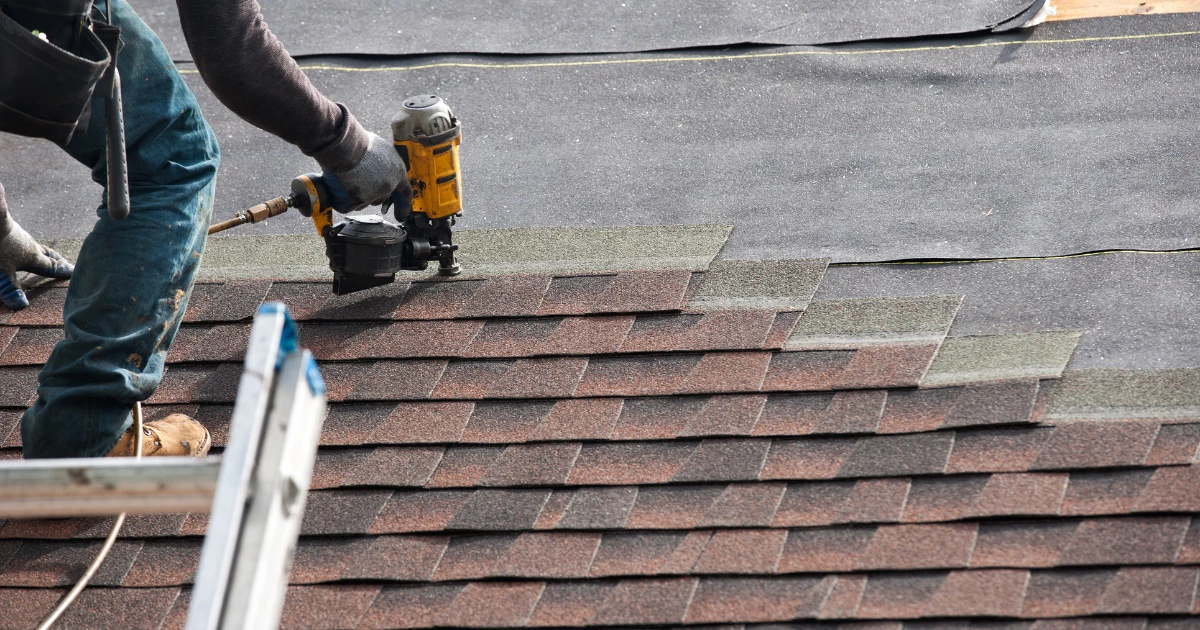
Your roof is your home’s first line of defense against the elements, quietly protecting your family and belongings from rain, snow, sun, and wind. Because it’s often out of sight, it can easily be out of mind. However, ignoring the subtle (or not-so-subtle) warnings your roof sends can lead to much larger, more expensive problems down the line.
Proactive roof inspection and timely roof repair are crucial for maintaining your home’s integrity and value. Don’t wait for a full-blown leaky roof disaster to realize you have an issue. This homeowner’s checklist will arm you with the knowledge to spot common roof damage signs, empowering you to address potential problems before they escalate. Think of it as your early warning system for essential roofing maintenance.
Why Proactive Roof Inspection is Non-Negotiable
Before we dive into the specific signs, let’s understand why being vigilant about your roof matters so much:
- Preventing Costly Water Damage: A small leak can quickly lead to widespread water damage in your attic, ceilings, walls, insulation, and even structural elements. This can foster mold growth, compromise air quality, and result in exorbitant repair bills that far exceed the cost of a simple roof fix.
- Extending Roof Lifespan: Addressing minor issues promptly can significantly extend the life of your existing roof, delaying the need for a costly full replacement. Roofing maintenance is an investment in longevity.
- Maintaining Energy Efficiency: Damaged or compromised roofing can lead to heat loss in winter and heat gain in summer, forcing your HVAC system to work harder and increasing your utility bills.
- Protecting Your Home’s Value: A well-maintained roof is a major selling point. Visible roof damage or a known leaky roof can deter potential buyers and significantly reduce your home’s market value.
- Ensuring Safety: Compromised roofing can be a safety hazard, especially during storms. Preventing collapses or blow-offs is paramount.
Now, let’s get to the signs you need to look out for.
Sign 1: Visible Damage to Shingles or Roofing Material
This is often the most obvious indicator that your roof needs attention. While a full climb onto the roof should be left to professionals, you can often spot these issues from the ground with a good pair of binoculars, or from an upper-story window.
What to Look For:
- Missing Shingles: Perhaps the most evident sign. Strong winds can rip shingles right off your roof, leaving the underlying felt or decking exposed to the elements. Even one missing shingle is an open invitation for a leaky roof.
- Cracked or Broken Shingles: Over time, especially due to UV exposure, extreme temperatures, and age, shingles can become brittle and crack. Cracks are weak points where water can penetrate.
- Curling Shingles: Shingles can curl in two ways:
- Cupping: Edges turn upward.
- Clawing: Edges stay flat, but the middle of the shingle raises up. Both indicate that the shingles are drying out, losing their flexibility, and are no longer providing optimal protection.
- Buckling Shingles: These appear wavy or rippled, often due to improper installation, poor ventilation leading to moisture buildup, or movement in the roof deck. Buckling creates gaps that water can exploit.
- Granule Loss: For asphalt shingles, the granules are the protective, UV-resistant coating. If you notice large amounts of granules accumulating in your gutters or downspouts, it’s a clear sign your shingles are deteriorating and losing their ability to protect against the sun’s harsh rays. This often looks like coarse, black sand.
- Blistering: Small, raised bubbles on the shingle surface can indicate moisture trapped beneath the shingle or poor ventilation in the attic.
- Moss or Algae Growth: While not always indicative of immediate damage, extensive moss or algae can trap moisture against the shingles, leading to decay, especially in shaded or damp areas. It can also lift shingles over time.
- Rust on Metal Roofs or Flashing: For metal roofs, look for any signs of rust. For any type of roof, check metal flashing around chimneys, vents, and skylights for rust, corrosion, or separation, as these are critical areas for preventing leaks.
Sign 2: Water Stains on Ceilings or Walls
This is the classic, unmistakable sign of a leaky roof, and it’s one that demands immediate attention. By the time you see water stains indoors, the leak has likely been present for some time and could have caused significant damage in your attic or wall cavities.
What to Look For:
- Discoloration: Yellowish, brownish, or dark stains on your ceilings, especially in upper-story rooms.
- Damp Spots: Patches on your ceiling or walls that feel wet or damp to the touch.
- Peeling Paint or Wallpaper: Water seeping into walls can cause finishes to bubble, peel, or warp.
- Musty Odors: A persistent musty or mildewy smell, even if you can’t see visible water, can indicate hidden moisture and mold growth from a leak. This is especially common in attics.
- Water Dripping: The most direct, and alarming, sign. If you see water actively dripping from your ceiling, place a bucket immediately and call a roofing professional.
Where to Look:
Leaks don’t always appear directly below the source. Water can travel along joists and rafters before dripping down. Pay close attention to:
- Areas directly below chimneys, skylights, vents, and pipe penetrations.
- Around the perimeter of the ceiling, where roof-to-wall intersections might be.
- In your attic, look for water trails, damp insulation, or mold on wooden beams. Use a flashlight to inspect carefully.
Sign 3: Sagging Roof Deck or Ceilings
A sagging roof is a serious structural concern and indicates significant roof damage or underlying issues that need immediate professional assessment. This isn’t just about aesthetics; it’s a safety issue.
What to Look For:
- Visible Sagging: From the outside, look along the ridge line (the peak of your roof) or the valleys. If they appear to dip or bow, rather than being straight, you have a problem.
- Internal Sagging: In your attic, check the roof decking (the plywood or OSB that forms the base of your roof) for any dips or soft spots. Also, look at the ceiling of the room below the attic; any bowing or sagging there is a critical sign.
- Pooling Water: On flat or low-slope roofs, if you see areas where water consistently pools after rain, it indicates structural sagging that prevents proper drainage.
Causes of Sagging:
- Water Damage and Rot: Prolonged leaks can rot the roof decking and supporting rafters, weakening the structure.
- Heavy Snowfall: Excessive, prolonged snow loads can put immense stress on an aging or compromised roof structure.
- Improper Installation or Design: Insufficient support beams or incorrect installation from the start can lead to premature sagging.
- Aging: Over decades, materials can simply lose their strength.
If you observe any sagging, contact a professional roof repair expert or structural engineer immediately. This is not a DIY fix.
Sign 4: Damaged or Clogged Gutters and Downspouts
While not directly part of the roof itself, your gutter system is integral to your roof’s health. It’s designed to channel water away from your home’s foundation. When it fails, water can back up onto your roof, leading to roof damage.
What to Look For:
- Overflowing Gutters: During rain, if water is spilling over the sides of your gutters rather than flowing through the downspouts, they are likely clogged with leaves, twigs, and granules.
- Gutter Detachment: Gutters pulling away from the fascia board indicate they’re overloaded with debris and water, or their fasteners are failing. This can damage the fascia and allow water to seep behind it.
- Dents, Bends, or Holes: Physical damage to gutters can prevent proper drainage.
- Granules in Gutters: As mentioned earlier, excessive shingle granules in your gutters are a sign of shingle deterioration.
- Water Pooling Around Foundation: If your downspouts aren’t diverting water far enough away from your home, it can collect around the foundation, leading to basement leaks or foundation damage.
How it Impacts Your Roof:
- Ice Dams: Clogged gutters are a primary cause of ice dams in winter. When meltwater can’t drain, it refreezes in the gutters and backs up under your shingles, causing severe roof damage and leaks.
- Fascia and Soffit Rot: Water overflowing from clogged gutters can rot the wooden fascia boards and soffits that support your roof edges, creating entry points for pests and further leaky roof issues.
- Shingle Damage: Constant moisture exposure from overflowing gutters can degrade the lower edge of your roof’s shingles.
Regular gutter cleaning is a vital part of roofing maintenance.
Sign 5: An Aging Roof (Beyond its Expected Lifespan)
Even if you don’t see immediate signs of roof damage, the age of your roof is a critical factor. All roofing materials have an expected lifespan, and pushing past it significantly increases the risk of failure.
Typical Lifespans (Approximate, Varies by Quality and Climate):
- 3-Tab Asphalt Shingles: 15-20 years
- Architectural Asphalt Shingles: 25-50 years
- Metal Roofing: 50-70+ years
- Wood Shakes/Shingles: 20-40 years (with proper maintenance)
- Clay/Concrete Tiles: 50-100+ years
- Slate: 75-150+ years
What to Consider:
- Original Installation Date: Do you know when your roof was last replaced? If not, try to find past home inspection reports or talk to previous owners.
- Neighboring Roofs: Look at roofs on similar-aged homes in your neighborhood. Are they being replaced? This can be a good indicator.
- Overall Wear and Tear: Even without obvious missing shingles, an old roof will show general signs of wear: faded color, brittle-looking shingles, and a less uniform appearance.
- Frequency of Repairs: If you’re constantly patching small leaks or replacing individual shingles, it’s a sign that the entire roof system is failing and nearing the end of its life. Investing in continuous roof repair for an old roof can be a money pit compared to a replacement.
If your roof is approaching or has exceeded its expected lifespan, it’s wise to schedule a professional roof inspection to assess its remaining integrity. Even if it seems okay, an aging roof is a ticking time bomb.
What to Do When You Spot a Sign of Roof Damage
- Don’t Panic: Minor issues can often be repaired without a full replacement.
- Document the Damage: Take photos of what you’ve found. This will be helpful when talking to contractors.
- Contact a Professional Roofing Contractor: This is crucial. While you can do preliminary checks, a qualified roofing expert has the training, tools, and safety equipment to perform a thorough roof inspection and accurately diagnose the problem. They can provide a detailed assessment and a transparent quote for roof repair or replacement.
- Avoid DIY Roof Repair (Unless Experienced): Working on a roof can be extremely dangerous. Falls are common and serious. Leave it to the pros. Even a seemingly simple patch job can be done incorrectly, leading to bigger problems.
- Review Warranties: Check if your existing roof is still under warranty. Some material or workmanship warranties may cover certain types of roof damage.
The Bottom Line on Roofing Maintenance
Your roof works hard, silently protecting your most valuable asset. By being proactive and performing regular visual checks, you can spot the early signs your roof needs repair before they escalate into costly emergencies. Remember, a small investment in roofing maintenance today can save you thousands in major roof damage and a leaky roof nightmare tomorrow. Don’t wait until it’s too late – give your roof the attention it deserves.